Beyond the Grapes: Choking Prevention in Babies & Toddlers
Dec 07, 2025
📖 In This Article:
Why the Environment Matters When It Comes to Eating
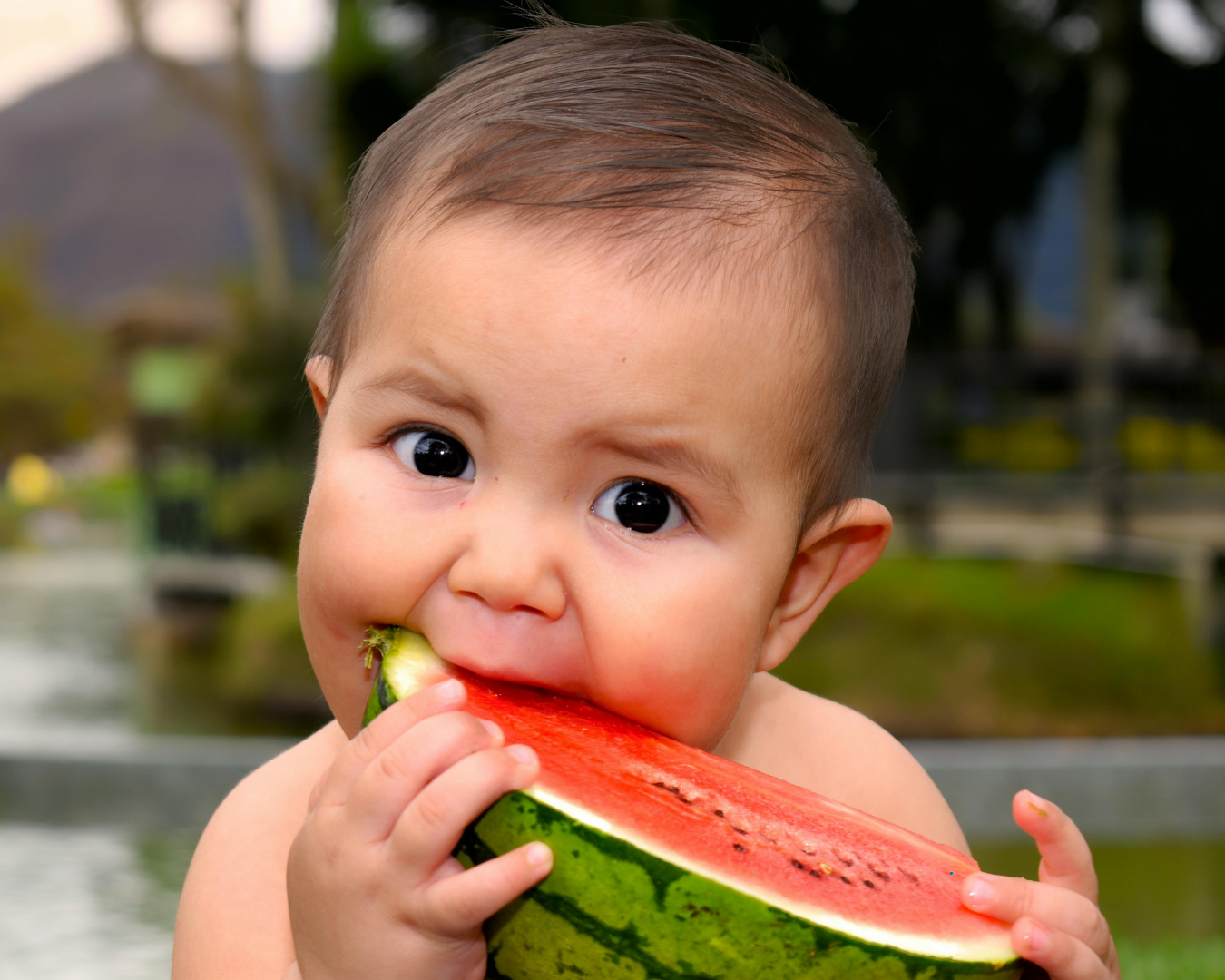
When parents think about mealtime safety for babies, they almost always jump straight to food: cutting grapes, avoiding popcorn and banning marshmallows like there’s no tomorrow. And yes… what your child eats matters.
But as a paramedic and a parent, I’ve noticed something interesting:
We obsess over the food and completely forget about how, where, and in what position our kids are actually eating it.
So yes, keep on cutting those grapes and serving age-appropriate food by all means. But don’t forget these 5 other super important ways to reduce choking risk:
1. Sit Down to Eat (Yes, It Really Matters)
It sounds painfully obvious, but sitting down to eat is one of the most important ways to reduce choking risk – in every age group (yes, this includes you!).
When kids are walking, climbing, or lying down while eating, their body isn’t set up to manage food safely. Posture shifts, breathing changes, and focus flies out the window.
Sitting down, whether it’s in a high chair, on a picnic rug, or even on your lap, gives your child’s body the stability needed to chew and swallow properly.
Will this stop food ending up on the floor? It’s a hard no. But sitting down does make eating safer and supervision easier.
2. The 90/90/90 Position (The Posture That Makes Eating Safer)
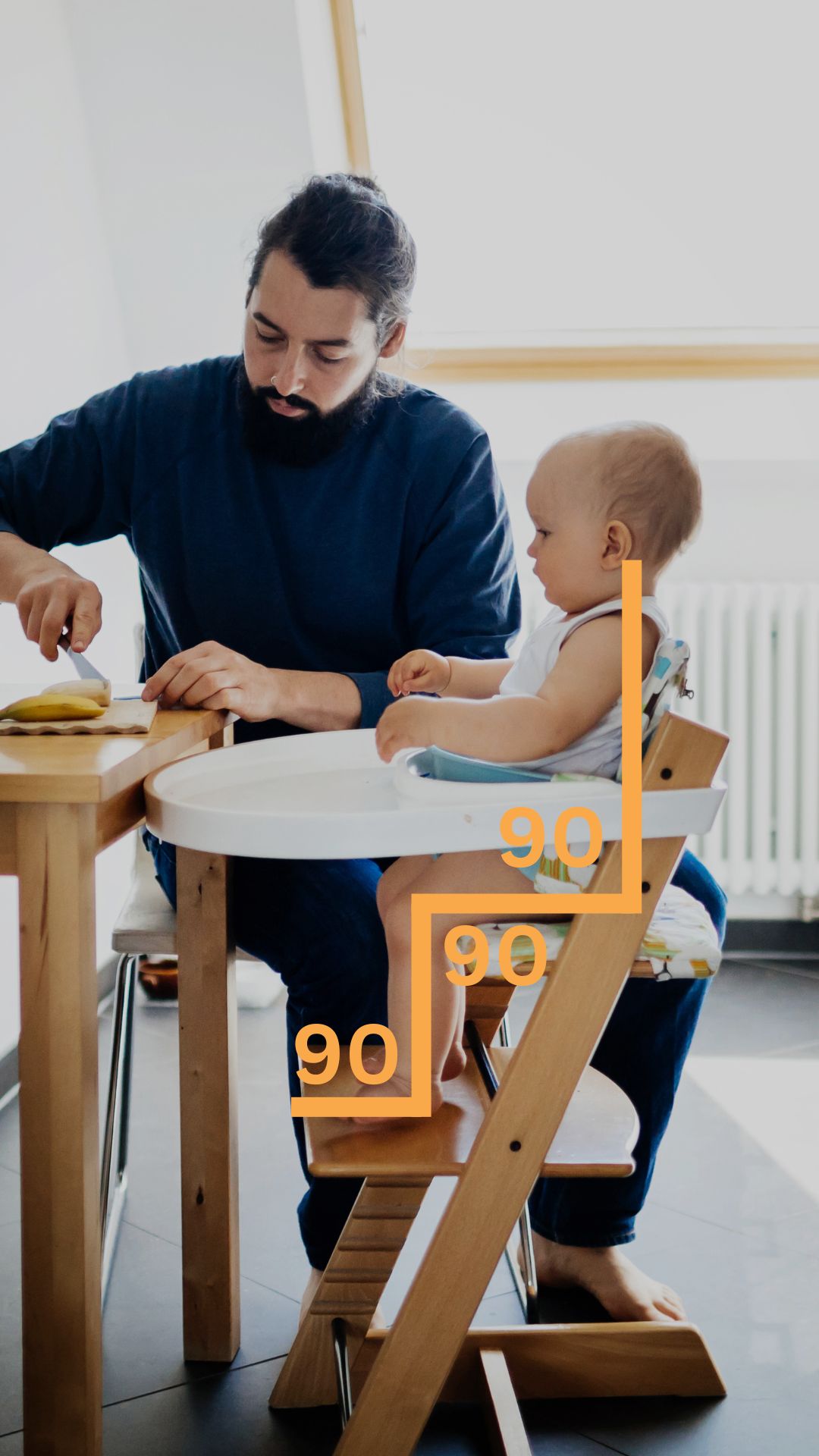
Not all sitting is equal.
If your child is slouched, twisting sideways, or has legs dangling in the air, their body works harder to manage food.
The ideal set up? Think 90/90/90:
- 90 degrees at the hips
- 90 degrees at the knees
- 90 degrees at the ankles, with feet fully supported (use a footplate or improvise with a box).
This upright position helps their tongue and jaw move more freely, making it easier to chew and swallow. This is especially important for babies and toddlers who are still mastering these skills.
When kids are reclined, even slightly (like in a pram or car seat), gravity pulls the tongue and food toward the back of the mouth. This makes it harder to control the food, swallow properly, or gag and spit it out if needed.
Plus, a supported seat isn’t just safer, it’s also more comfortable. And when they’re supported and comfy, you just might get to finish your own meal too!
3. Buckle the High Chair Harness (I Know You Worry)
Parents often whisper to me:
“But if they choke while they’re strapped in… what if I can’t get to them in time?”
Deep breath.
Here’s the evidence-based reality:
- Falls from high chairs are MUCH more common than choking.
- Unclipping a harness takes seconds.
The harness doesn’t just stop mid-meal escape attempts. It also supports babies who are just starting solids by keeping them upright and preventing them from slumping forward. This kind of stability puts their body in a safer position for eating, and allows them to focus on their chewing and swallowing skills.
So buckle up, baby!
4. Supervision Is Non-Negotiable (Choking Is Usually Silent)
One of the biggest myths about choking is that it’s noisy, which is why many people mistake gagging for choking.
It’s not.
True choking is usually silent, which is why staying close matters more than parents realise.
But supervision isn’t just about emergencies, because sitting with your kids at mealtimes is also one of the best ways they learn how to eat safely. Little ones watch everything: how you sit, how you chew, and how you handle the food they’re still figuring out.
While sitting with your child for meals helps you notice if something seems off, it also builds connection and turns mealtimes into memories shared… even if the kids don’t appreciate your cooking (yet).
5. Avoid the 3 D’s: Distressed, Dozy, or Distracted
I know this moment all too well: the toddler’s melting down, the baby’s squawking, and you just want someone… anyone… to just dang well eat something so the madness will stop!!
But safe eating takes focus. The three situations where choking risk quietly increases:
❌ Distressed
Crying, tantrums, overwhelm: none of these pair well with chewing.
❌ Dozy
Half-asleep, slumped, tired babies are not safe eaters.
❌ Distracted
Screens, overstimulation, zoning out – these reduce their ability to chew safely.
A little fussiness is one thing, but if you’re working harder than they are to get food in, it might be worth taking a breath and waiting for the reset. Eating is safest when everyone’s feeling calm, focused, and connected.
💬 Final Thoughts
Mealtimes with little ones are rarely peaceful. There’s mess, protest, flinging, and the occasional emotional breakdown… and that’s just the grown-ups 🤭 But a few small tweaks to how your child eats can make a big difference to their safety.
If you want more practical, evidence-based safety tips for the first year, explore:
- My free Choking First Aid Guide
- The First Year: Baby First Aid & Safety course
- More articles in my First-Year Safety Library
Stay safe and embrace the mealtime chaos 🧡